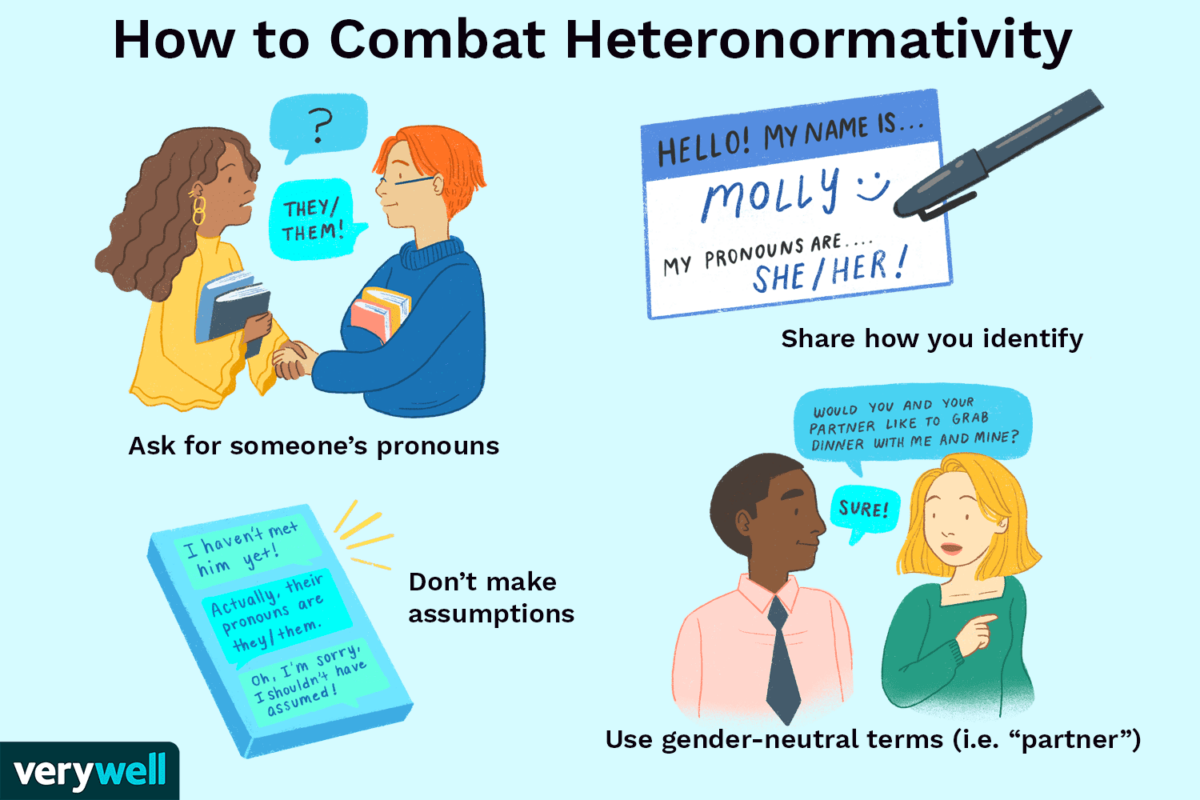
A History of Heteronormativity in Corporate Culture and How It’s Evolving

Heteronormativity—the belief that heterosexuality is the preferred or normal mode of sexuality has long influenced corporate culture. This perspective has shaped workplace policies, benefits, and social dynamics, often to the detriment of LGB employees. 

The Roots of Heteronormativity in the Workplace 

Historically, corporate environments have been structured around traditional gender roles and family models. Benefits packages, for instance, were structured around traditional heterosexual family arrangements. Social events often centered around 
activities that reinforced these norms, inadvertently excluding those who didn’t fit the mold. 
Manifestations in Corporate Policies 
  • Benefits and Perks: Health insurance and parental leave policies frequently favored heterosexual couples, leaving same sex partners without equal support. 
  • Dress Codes: Dress codes and behavioral expectations in many workplaces historically reinforced heterosexual norms, such as assuming women would dress in traditionally ‘feminine’ ways to appeal to men.
  • Language and Communication: Internal communications and marketing materials typically used language that assumed heterosexual relationships, further entrenching heteronormative ideals. 
 
The Shift Towards Inclusivity 
In recent years, there’s been a growing recognition of the need to dismantle heteronormative structures within organizations. Companies are taking steps to: 
  • Revise Policies: Update workplace policies to ensure same-sex couples receive equal access to healthcare, family leave, and other relationship-based benefits afforded to heterosexual couples.
  • Promote Diverse Leadership: Encouraging representation of LGB individuals in leadership roles to influence decision-making processes.
  • Foster Inclusive Language: Adopting communication strategies that reflect diverse identities and relationships. 
Continuing the Evolution 
While progress has been made, ongoing efforts are essential to ensure that corporate cultures continue to evolve. This includes regular training, open dialogues about inclusivity, and a commitment to reviewing and updating policies to reflect the diverse needs of all employees. 
 
Further Reading 
 
To understand more about the impact of heterosexism in the workplace, refer to our earlier article: June Is About More Than Rainbows: Let’s Talk Heterosexism.
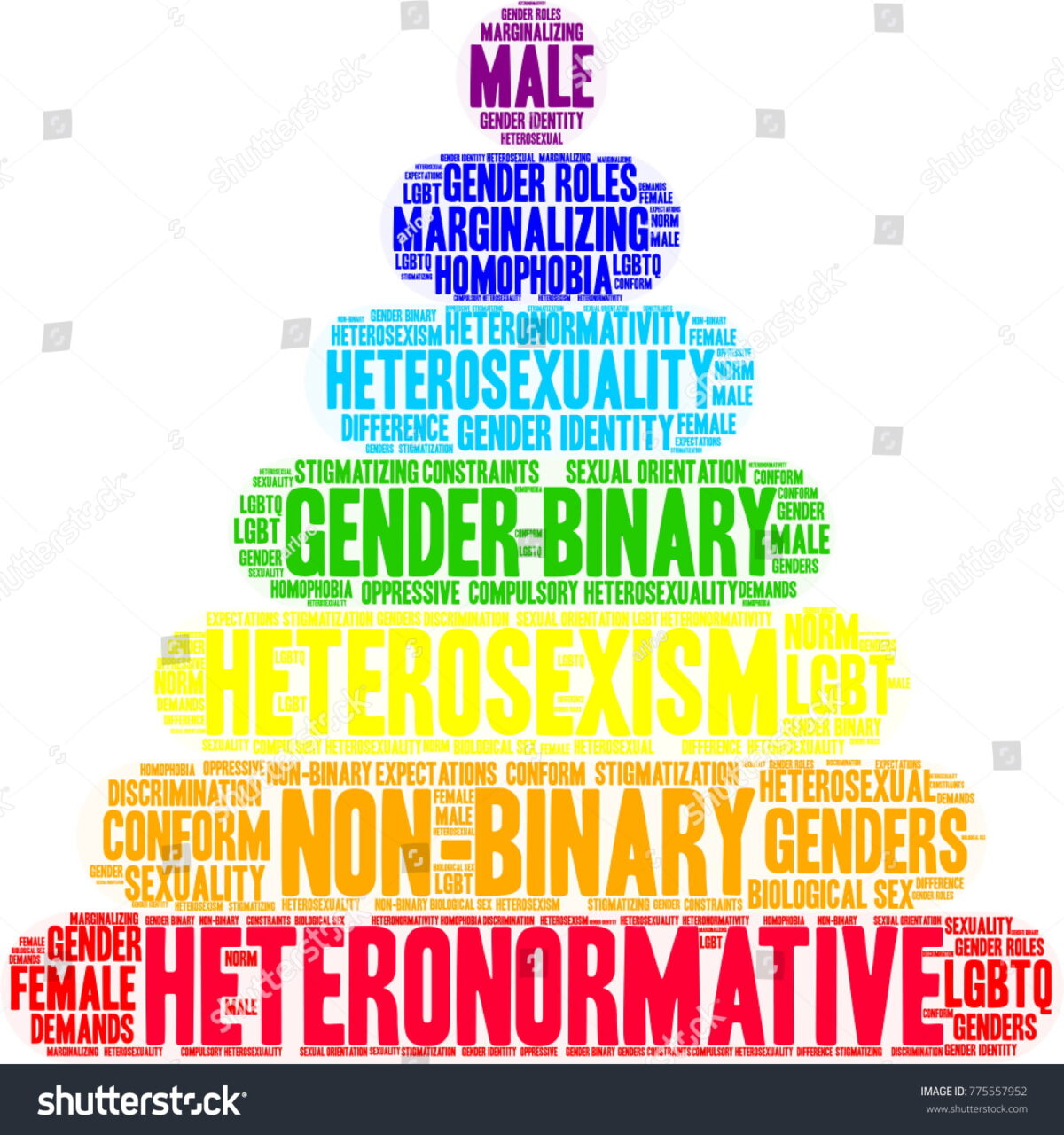
Understanding the Difference Between Heterosexism, Homophobia and Discrimination

In conversations about LGBTQIA+ inclusion, terms like heterosexism, homophobia, and discrimination are often used interchangeably. However, each represents distinct forms of bias and oppression. Understanding these differences is crucial for fostering truly inclusive environments.  

Heterosexism: The Systemic Bias 

Heterosexism is the assumption that heterosexuality is the default or “normal” sexuality. This belief system privileges heterosexual relationships and marginalizes those who identify as something outside of heteronormative culture. It’s embedded in societal norms, institutions, and policies, often going unnoticed because it’s considered the status quo.   Example: A company’s health insurance policy covers only opposite-sex spouses, excluding same-sex partners.  

Homophobia: The Personal Prejudice 

Homophobia refers to the fear, hatred, or discomfort with individuals who are attracted to the same sex. Unlike heterosexism, which is systemic, homophobia is personal and can manifest as verbal abuse, social exclusion, or even violence.  Example: An employee makes derogatory jokes about a colleague’s sexuality.  

Discrimination: The Legal and Institutional Barrier 

Discrimination involves unfair treatment based on someone’s sexuality, in addition to a myriad of other potential identities. This can occur in various settings, including the workplace, healthcare, and education. While heterosexism and homophobia contribute to discriminatory practices, discrimination is the actionable denial of rights and opportunities.  Example: A qualified candidate is denied a job promotion after disclosing their same-sex relationship.  

Why Distinguishing These Terms Matters 

Recognizing the nuances between heterosexism, homophobia, and discrimination allows for more targeted interventions: 

  • Policy Reform: Addressing heterosexism requires systemic change, such as revising company policies to be inclusive of all sexualities. 
  • Education and Training: Combating homophobia involves personal development and awareness programs that challenge prejudiced beliefs. 
  • Legal Protections: Preventing discrimination necessitates enforcing laws that protect against unequal treatment. 

Further Reading 

For a deeper dive into how these biases manifest in society, explore our previous blog: Understanding Heterosexism: Exploring Its Concept, History, and Effects in Society

Skip to content