How Language-Based Discrimination Affects Your Teams
 Liz Medina
on
July 14, 2025
Liz Medina
on
July 14, 2025
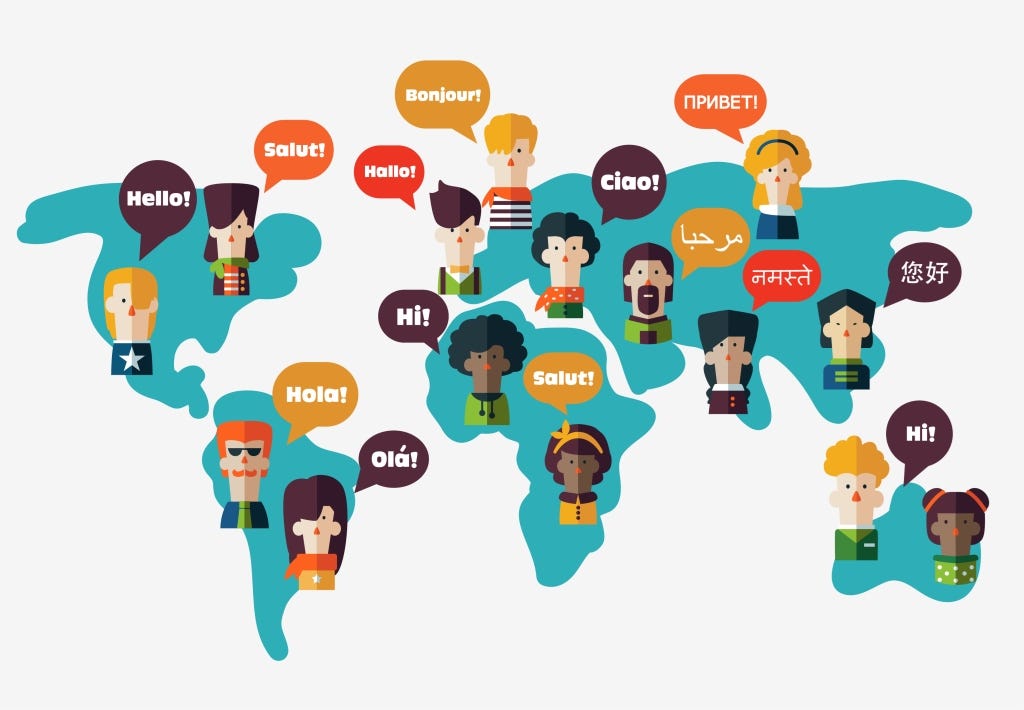
Language is at the heart of how we connect, collaborate, and create—but for many employees, it’s also a source of exclusion. Language-based discrimination happens when team members are judged, overlooked, or marginalized because of their accent, vocabulary, or fluency in the dominant language of the workplace.
This kind of bias can take many forms: from subtle comments about “not speaking clearly” to more overt exclusion from meetings or leadership opportunities. The result? Employees who feel undervalued, disengaged, and less likely to contribute their best ideas. Over time, this can erode trust, stifle innovation, and increase turnover.
Research shows that teams thrive when everyone feels heard and respected, regardless of language or accent. In fact, organizations that actively address language-based discrimination see higher engagement, better collaboration, and stronger business results. They recognize that linguistic diversity is an asset, not a liability—opening doors to new perspectives, creative solutions, and global markets.
If you’ve read our previous blogs on inclusive leadership and the power of diverse teams, you know that building a culture of respect starts with awareness and action. Simple steps—like providing language support, encouraging multilingual communication, and training managers to recognize unconscious bias—can make a world of difference.
Want to create a workplace where every voice is valued? Schedule a call with us.