Cisnormativity vs. Transphobia: What’s the Difference?

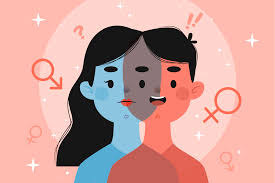
Conversations around gender identity in the workplace often focus on the obvious harms of transphobia—but there’s another barrier that often goes unaddressed: cisnormativity. Both can create exclusion, but they show up in different ways, and understanding the difference is key to building truly inclusive environments.

What is Cisnormativity?  

Cisnormativity is the assumption that everyone is cisgender (identifying with the gender they were assigned at birth). It’s often invisible, baked into policies, language, and everyday interactions. Examples include:

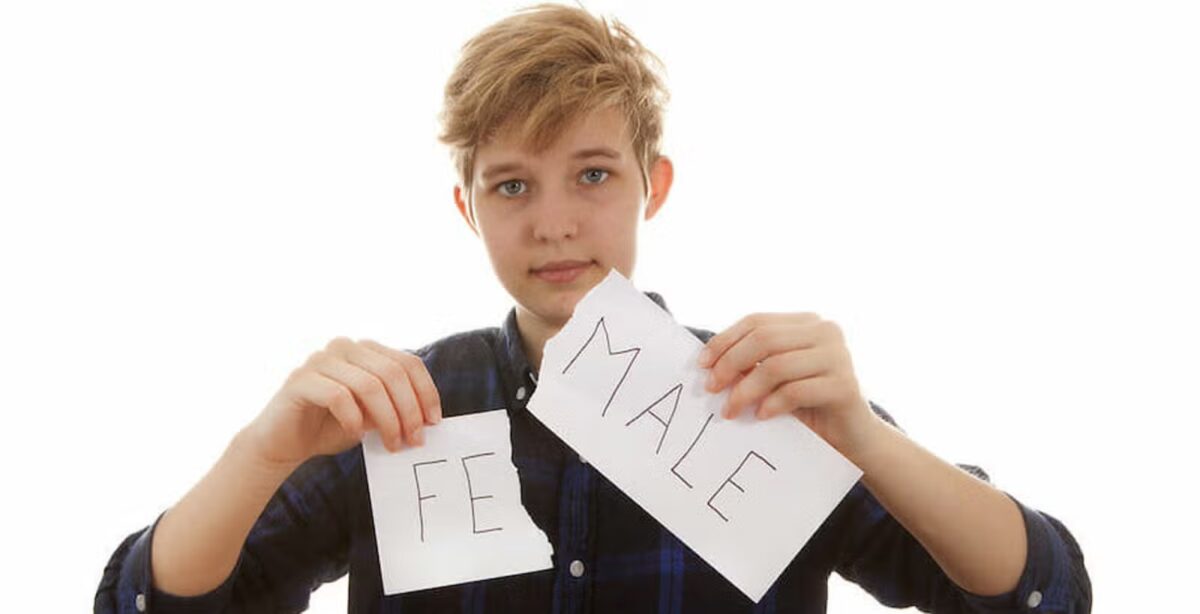
  • Using only “male” and “female” checkboxes on forms.

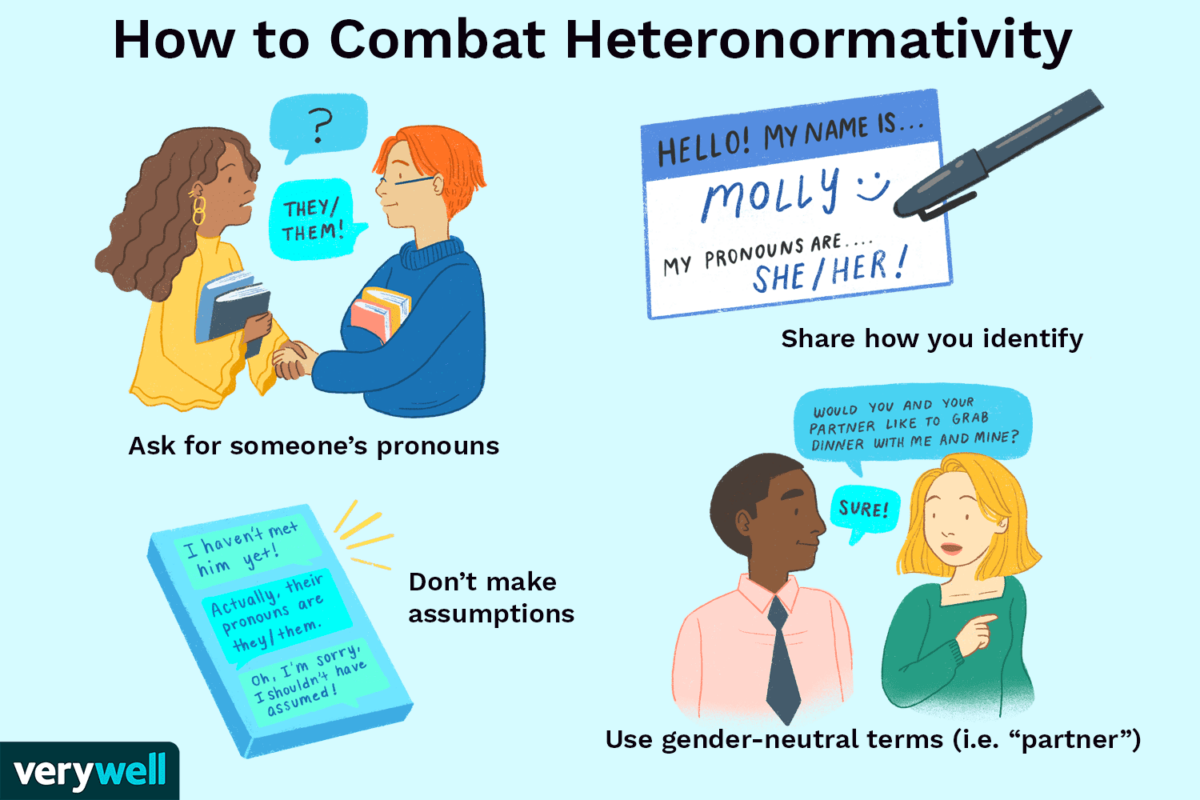
  • Assuming someone’s pronouns based on appearance.

  • Referring to “maternity leave” instead of “parental leave.”

While not always intentionally harmful, cisnormativity sends a message: cisgender is the default, everything else is “other.”

What is Transphobia?  

Transphobia is active discrimination, prejudice, or hostility toward transgender or non-binary people. This can include:

  • Harassment or bullying.

  • Denying someone’s identity (e.g., refusing to use correct name or pronouns).

  • Policies that exclude or restrict access (like healthcare plans that don’t cover gender-affirming care).

Unlike cisnormativity, which is often unintentional, transphobia is a deliberate act of exclusion.

Why Distinguishing the Two Matters  

  • Cisnormativity is systemic—it requires leaders to examine policies and structures.

  • Transphobia is interpersonal and cultural—it requires accountability for harmful actions and behavior.

Understanding both helps organizations respond in a balanced way: not just preventing harm, but also creating systems that affirm gender diversity from the start.

💡 Awareness is the first step, but action is what transforms workplaces.

Dress Codes and Grooming Policies and How They Disproportionately Harm Marginalized Employees

Dress codes and grooming standards are often framed as “professional,” but they can reinforce exclusion, particularly for marginalized groups.

Key Harms:


      • Racial Bias: Many dress and grooming policies are rooted in Eurocentric standards, pressuring Black employees to straighten their hair or avoid protective styles like braids and locs. Such requirements convey that natural cultural expressions are “unprofessional,” harming self-esteem and belonging.
      • Gender & LGBTQ+ Discrimination: Gendered dress codes often require women to wear makeup or skirts and penalize transgender or gender-nonconforming employees who don’t fit traditional norms. Although the Supreme Court’s Bostock decision initially protected gender identity under Title VII, recent court rulings have limited these protections, allowing some discriminatory practices to continue. Many companies have yet to update policies, leaving gaps for gender-nonconforming individuals. It’s essential to review workplace policies and advocate for inclusive, affirming environments beyond legal minimums.
      • Religious & Cultural Exclusion: Mandating the removal of religious attire (like hijabs or turbans) or prohibiting facial hair for religious reasons can push those from faith traditions to the margins, creating a hostile work environment.
      • Socioeconomic Burdens: Requiring costly uniforms, makeup, or frequent haircuts can place a disproportionate financial burden on lower-income employees, further entrenching inequity.

    Strategies for Equity:


        • Revise dress codes to be gender-neutral, culturally inclusive, and rooted only in genuine business necessity.
        • Solicit feedback from marginalized voices before enacting or updating policies.
        • Ensure accommodations for religious and cultural needs are explicit and well-communicated.

      By understanding how lookism influences leadership and how dress codes can harm marginalized employees, organizations can create truly inclusive practices and redefine what professionalism means for all.

      Looking for real-world examples and solutions? Visit our previous lookism blogs (see “How Lookism Affects Leadership Perception and Decision-Making”) for deeper insights and stories from the field.

      Need expert support to transform your organization’s policies and foster belonging for everyone? Connect with us for a one-on-one consultation.

      How Lookism Affects Leadership Perception and Decision-Making  

      How Lookism Affects Leadership Perception and Decision-Making

      The way leaders look sometimes matters more to organizations than it should. Lookism—bias in favor of, or against, people based on physical appearance—can distort how leadership potential is seen and who is asked to lead.


      The Impact:

      • Skewed Leadership Perception: Research shows that physically attractive employees are perceived as more competent and are sometimes elevated to leadership roles more quickly, regardless of actual skills or performance. This can result in less qualified individuals being promoted simply because they “look the part,” while equally, or more, capable individuals are overlooked.

      • Peer Dynamics & Organizational Justice: In a workplace culture that values appearance, employees may focus excessively on grooming or social comparisons, resulting in feelings of inadequacy, jealousy, or imposter syndrome. The emphasis on looks undermines principles of fairness—decisions are made based on surface factors, not talent or effort.

      • Leadership Decision-Making: Leaders influenced by lookism may unconsciously favor team members who resemble themselves or fit social norms of attractiveness. This perpetuates group-think, limits innovation, and discourages diversity of thought. Leaders themselves may feel objectified or judged solely for their appearance, leading to anxiety and disengagement.

      • Wider Consequences: A climate of lookism can erode trust, diminish morale, and cause employees who don’t fit the norm to withdraw or under-perform; ultimately harming the whole organization.

       Examples of Lookism in Action:

      • Employees perceived as more physically attractive are often seen as more competent and promoted more quickly, regardless of actual performance. For instance, research shows “beauty premiums,” where attractive individuals earn higher salaries and ascend faster in their careers.

      • Some employers subtly or overtly favor candidates who fit their idea of the “right look” — whether that’s height, body type, hairstyle, or grooming—sometimes disadvantaging those who don’t conform to conventional attractiveness or expression norms.

      • Real cases include employees being penalized or discouraged because of their weight, tattoos, or hairstyles, such as an employee told to “lose weight and improve her looks” to keep her job, illustrating lookism’s harmful impact.

       What Can Organizations Do?

      • Train decision-makers to recognize and actively counter appearance bias.

      • Use transparent, skills-based promotion and evaluation criteria.

      • Foster a culture that values diverse expressions of professionalism, moving beyond stereotypes.

      Want to explore more about how appearance impacts workplace culture? Check out our previous blog on “Lookism“.

      Ready to challenge lookism and create a more equitable workplace? Schedule a discovery call with our team for practical strategies.

      How Language-Based Discrimination Affects Your Teams

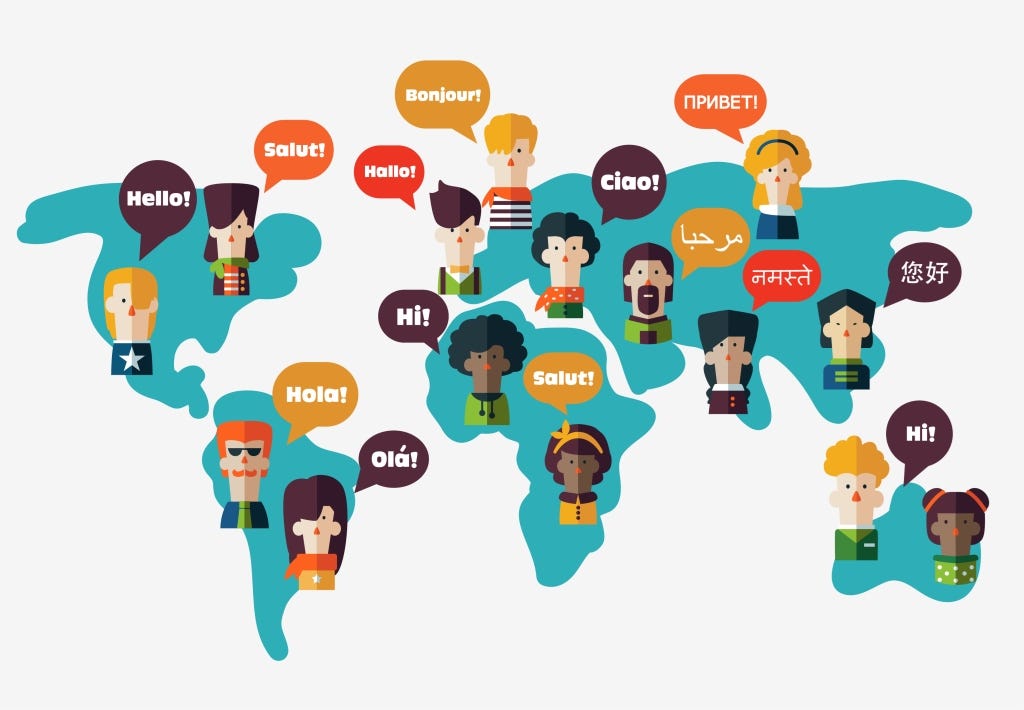
      Language is at the heart of how we connect, collaborate, and create—but for many employees, it’s also a source of exclusion. Language-based discrimination happens when team members are judged, overlooked, or marginalized because of their accent, vocabulary, or fluency in the dominant language of the workplace.

      This kind of bias can take many forms: from subtle comments about “not speaking clearly” to more overt exclusion from meetings or leadership opportunities. The result? Employees who feel undervalued, disengaged, and less likely to contribute their best ideas. Over time, this can erode trust, stifle innovation, and increase turnover.

      Research shows that teams thrive when everyone feels heard and respected, regardless of language or accent. In fact, organizations that actively address language-based discrimination see higher engagement, better collaboration, and stronger business results. They recognize that linguistic diversity is an asset, not a liability—opening doors to new perspectives, creative solutions, and global markets.

      If you’ve read our previous blogs on inclusive leadership and the power of diverse teams, you know that building a culture of respect starts with awareness and action. Simple steps—like providing language support, encouraging multilingual communication, and training managers to recognize unconscious bias—can make a world of difference.

      Want to create a workplace where every voice is valued? Schedule a call with us.

      The Untold Story of America’s Workforce: Immigration & Ethnic Diversity by the Numbers 

      America’s workforce is a tapestry woven from countless cultures, languages, and backgrounds. Today, immigrants make up nearly 20% of all U.S. workers—that’s over 31 million people contributing their skills, perspectives, and drive to the economy. This isn’t just a statistic; it’s a story of resilience, innovation, and shared prosperity.

      Recent data shows that immigrant workers are more likely to be employed than their native-born counterparts, with an unemployment rate of just 3.4% in 2024. They play essential roles in industries like healthcare, construction, and hospitality, often filling critical gaps as the U.S. faces an aging workforce and shifting demographics. In fact, without ongoing immigration, the U.S. working-age population would be shrinking, and economic growth would slow even further.

      But the story goes deeper than numbers. Immigrants and their children are projected to add about 18 million people of working age between 2015 and 2035, offsetting the decline from retiring Baby Boomers. And while educational attainment varies—immigrants from some regions are less likely to have completed high school, others are more likely to hold advanced degrees—the overall impact is clear: diversity is driving America’s economic engine.

      This diversity is a strength, not a challenge. Companies that embrace it are better positioned to innovate, compete globally, and build workplaces where everyone can thrive. If you’re interested in learning more about how immigration and ethnic diversity shape your organization, check out our previous blogs on building inclusive teams and the future of work.

      Ready to unlock the power of America’s diverse workforce? Schedule a call with us.

      A History of Heteronormativity in Corporate Culture and How It’s Evolving

      Heteronormativity—the belief that heterosexuality is the preferred or normal mode of sexuality has long influenced corporate culture. This perspective has shaped workplace policies, benefits, and social dynamics, often to the detriment of LGB employees. 

      The Roots of Heteronormativity in the Workplace 

      Historically, corporate environments have been structured around traditional gender roles and family models. Benefits packages, for instance, were structured around traditional heterosexual family arrangements. Social events often centered around 
      activities that reinforced these norms, inadvertently excluding those who didn’t fit the mold. 
      Manifestations in Corporate Policies 
      • Benefits and Perks: Health insurance and parental leave policies frequently favored heterosexual couples, leaving same sex partners without equal support. 
      • Dress Codes: Dress codes and behavioral expectations in many workplaces historically reinforced heterosexual norms, such as assuming women would dress in traditionally ‘feminine’ ways to appeal to men.
      • Language and Communication: Internal communications and marketing materials typically used language that assumed heterosexual relationships, further entrenching heteronormative ideals. 
       
      The Shift Towards Inclusivity 
      In recent years, there’s been a growing recognition of the need to dismantle heteronormative structures within organizations. Companies are taking steps to: 
      • Revise Policies: Update workplace policies to ensure same-sex couples receive equal access to healthcare, family leave, and other relationship-based benefits afforded to heterosexual couples.
      • Promote Diverse Leadership: Encouraging representation of LGB individuals in leadership roles to influence decision-making processes.
      • Foster Inclusive Language: Adopting communication strategies that reflect diverse identities and relationships. 
      Continuing the Evolution 
      While progress has been made, ongoing efforts are essential to ensure that corporate cultures continue to evolve. This includes regular training, open dialogues about inclusivity, and a commitment to reviewing and updating policies to reflect the diverse needs of all employees. 
       
      Further Reading 
       
      To understand more about the impact of heterosexism in the workplace, refer to our earlier article: June Is About More Than Rainbows: Let’s Talk Heterosexism.

      Understanding the Difference Between Heterosexism, Homophobia and Discrimination

      In conversations about LGBTQIA+ inclusion, terms like heterosexism, homophobia, and discrimination are often used interchangeably. However, each represents distinct forms of bias and oppression. Understanding these differences is crucial for fostering truly inclusive environments.  

      Heterosexism: The Systemic Bias 

      Heterosexism is the assumption that heterosexuality is the default or “normal” sexuality. This belief system privileges heterosexual relationships and marginalizes those who identify as something outside of heteronormative culture. It’s embedded in societal norms, institutions, and policies, often going unnoticed because it’s considered the status quo.   Example: A company’s health insurance policy covers only opposite-sex spouses, excluding same-sex partners.  

      Homophobia: The Personal Prejudice 

      Homophobia refers to the fear, hatred, or discomfort with individuals who are attracted to the same sex. Unlike heterosexism, which is systemic, homophobia is personal and can manifest as verbal abuse, social exclusion, or even violence.  Example: An employee makes derogatory jokes about a colleague’s sexuality.  

      Discrimination: The Legal and Institutional Barrier 

      Discrimination involves unfair treatment based on someone’s sexuality, in addition to a myriad of other potential identities. This can occur in various settings, including the workplace, healthcare, and education. While heterosexism and homophobia contribute to discriminatory practices, discrimination is the actionable denial of rights and opportunities.  Example: A qualified candidate is denied a job promotion after disclosing their same-sex relationship.  

      Why Distinguishing These Terms Matters 

      Recognizing the nuances between heterosexism, homophobia, and discrimination allows for more targeted interventions: 

      • Policy Reform: Addressing heterosexism requires systemic change, such as revising company policies to be inclusive of all sexualities. 
      • Education and Training: Combating homophobia involves personal development and awareness programs that challenge prejudiced beliefs. 
      • Legal Protections: Preventing discrimination necessitates enforcing laws that protect against unequal treatment. 

      Further Reading 

      For a deeper dive into how these biases manifest in society, explore our previous blog: Understanding Heterosexism: Exploring Its Concept, History, and Effects in Society

      Saneism in Schools: How Mental Health Stigma Hurts Students and Educators

      In classrooms across the country, mental health remains one of the most misunderstood and under-supported aspects of student success. Educators are expected to be everything—mentors, counselors, disciplinarians, and academic guides—while rarely receiving the support they need to manage their own mental health. This double standard is a clear symptom of Saneism.

      When students and staff are discouraged from naming or addressing their mental health needs, stigma grows. It leads to absenteeism, behavior issues, educator burnout, and inequitable learning outcomes. And for students of color, LGBTQIA+ youth, and those with disabilities, the impact is even more severe.

      Schools that want to truly serve their communities must address Saneism head-on. That means training teachers in trauma-informed practices, creating protocols for early intervention, and building cultures where mental health conversations are normalized and supported. It also means making space for both students and staff to be human—without punishment or shame.

      Through the DEILearningHub, we support schools and districts with frameworks that center equity and wellness. Whether it’s reimagining SEL (social-emotional learning), leading anti-bias training, or helping build mental health-inclusive policies, we equip educators to meet students with compassion and courage.

      Mental health isn’t a separate issue—it’s foundational to learning. Students cannot perform academically if they are in distress. Similarly, educators cannot teach effectively if they are overwhelmed and unsupported. Prioritizing mental wellness improves educational outcomes for everyone.

      We must also address the systemic roots of Saneism in education, including punitive discipline policies, lack of mental health professionals in schools, and insufficient funding for student services. Change starts with awareness, but is sustained through intentional action.

      Want to build a school culture where every student and educator can thrive? Contact us to learn how DEILearningHub can support your mental health equity transformation.

      Skip to content