The Shrinking Middle Class and What It Signals About America’s Future

The Shrinking Middle Class and
What It Signals About America’s Future  

For much of the twentieth century, the middle class was seen as the backbone of American life. It represented stability, upward mobility, and the belief that each generation could do better than the last. Over the past fifty years, that foundation has steadily weakened.

According to the Pew Research Center, about 61 percent of U.S. adults lived in middle income households in 1971. By 2021 through 2023, that share had fallen to roughly 50 to 51 percent. In other words, about one in ten adults who would have been considered middle class fifty years ago no longer are. This is not a temporary fluctuation. It reflects a long-term restructuring of how income and security are distributed in the United States, and trends as of 2025 suggest the erosion continues even during periods of economic growth. 

What happened to the middle class 

The decline of the middle class is not just about people moving up or down on a chart. It represents a loss of economic footing for millions of households. 

Pew’s analysis shows that while some households have moved into higher income tiers, a significant number have slipped into lower income status. The result is a more polarized economy with fewer people in the middle and more people clustered at the top and the bottom. 

This shift matters because the middle class has historically anchored consumer spending, community stability, and trust in shared institutions. When that center weakens, the effects ripple outward. 

Wages that did not keep up 

One of the main drivers of middle-class decline is the long-term gap between productivity and pay. For decades, workers have produced more value per hour, but wages for typical workers have grown slowly or not at all. 

Several forces contributed to this shift. Manufacturing and mid-skilled jobs that once offered stable wages were reduced through automation, offshoring, and global competition. Union membership declined, limiting workers’ ability to negotiate higher pay and better benefits. At the same time, many jobs began requiring more education and credentials without offering proportional increases in compensation. 

The outcome is that many households are working harder, gaining more skills, and still struggling to stay financially secure. 

Rising costs where it matters most 

Stagnant wages alone do not explain the strain. The cost of basic building blocks of middle-class life has risen sharply. 

Housing costs have outpaced income growth in many regions, especially in metropolitan areas where high-paying jobs are concentrated. Healthcare expenses, including premiums, deductibles, and out-of-pocket costs, have taken up a growing share of household budgets and tied financial security closely to employment. Higher education, long viewed as the pathway into the middle class, has become significantly more expensive, leaving many families and young adults with substantial student debt. 

As a result, even households that are technically classified as middle income often feel one unexpected bill away from financial stress. 

A more divided income landscape 

Pew’s data also shows that the upper income tier has grown, particularly among highly educated workers, professionals in fields like technology and finance, and dual-income households in affluent regions. At the same time, the lower-income tier has expanded, driven by low-wage, unstable, or gig-based work with limited benefits. 

These shifts are not evenly distributed. Black and Latino households and some immigrant communities are more likely to be represented in lower-income tiers and less likely to be represented in the upper tier. Many rural areas and regions that lost manufacturing jobs have also seen a sharper middle-class decline than large urban centers. 

The result is fewer people occupying the economic middle that once created a shared sense of security and possibility. 

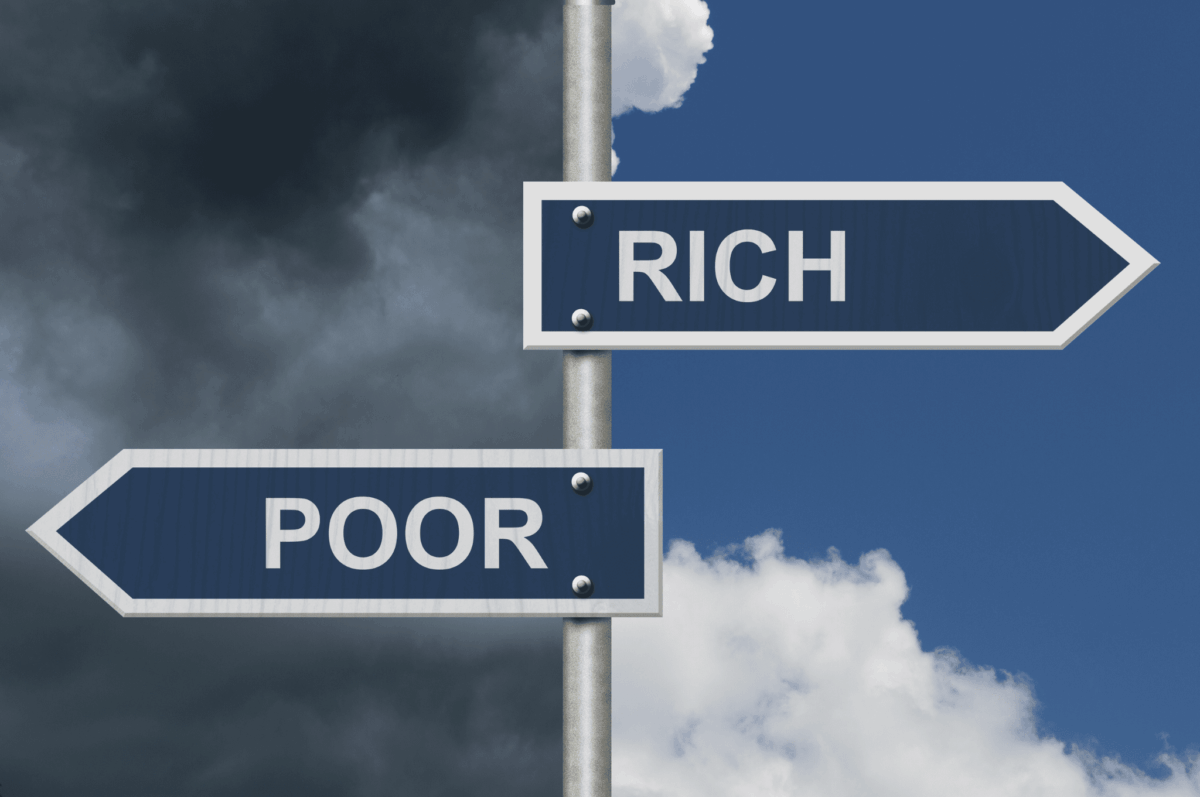
A shrinking middle class has consequences beyond individual households. Economically, it can dampen consumer spending and make growth more dependent on affluent households. Socially and politically, the sense that the American Dream is slipping out of reach fuels frustration, distrust, and polarization as people compete over limited opportunities and protections. 

The decline of the middle class is not inevitable. It reflects choices about wages, housing, healthcare, education, and how the gains of economic growth are shared. Strengthening the middle class requires rebuilding the conditions that make stability possible, not just celebrating growth at the top. 

If the middle continues to erode, the long-term cost will not only be economic. It will be a weakening of the shared foundation that has long shaped America’s identity and social contract. 

Social Stratification: Generational Wealth in America and India’s Caste System

Social Stratification: Generational Wealth 
in America and India’s Caste System

Most societies tell a story about fairness. Work hard, play by the rules, and you will get ahead. However, in reality, people are often sorted long before they make their first choice. That sorting is called social stratification. It is the way societies organize people into higher and lower positions based on access to money, power, safety, and opportunity. These layers shape where people live, how they are treated, and what doors open or remain closed to them. 

Two powerful examples of this system are generational wealth, specifically in the United States, and the caste system in India. While they operate in different cultural contexts, both demonstrate how advantage and disadvantage can be passed down, rather than being earned or lost through individual effort alone. 

How social stratification works 

Social stratification ranks people into categories such as class, caste, or status groups. These rankings influence access to quality education, stable housing, healthcare, and political influence. Over time, they create patterns where certain groups are consistently protected, and others are consistently exposed to risk. 

What makes stratification so enduring is that it often feels normal. The rules are rarely written down, but they are reinforced through institutions, social expectations, and everyday interactions. 

Generational wealth in the United States 

In the United States, class is closely tied to wealth, especially wealth that is inherited. Generational wealth includes assets like property, savings, investments, and business ownership. It also includes less visible advantages such as professional networks, financial literacy, and the ability to take risks without catastrophic consequences. 

Families with generational wealth can help their children attend well-funded schools, live in safer  neighborhoods, and  recover more easily from job loss or illness. Families without it often face the opposite. A single setback can ripple across years or even generations. 

This creates a cycle where advantage compounds for some families while instability compounds for others. The result is not just income gaps, but differences in stress, health, and a sense of belonging in public and professional spaces. 

The caste system in India 

In India, caste historically functioned as a birth-based social ranking system. A person’s caste influenced their occupation, social relationships, and perceived worth from birth to death. While laws now prohibit caste based discrimination, caste identities and hierarchies continue to shape many aspects of daily life. 

Caste has affected who people can marry, where they can live, and how they are treated in schools and workplaces. Even when formal barriers are removed, social stigma and exclusion can persist through customs, expectations, and bias. 

Like generational wealth, caste shows how social position can be inherited rather than chosen, and how those positions shape dignity, safety, and opportunity. 

Why this matters today 

Generational wealth in the United States and caste in India reveal a shared truth. Inequality is rarely just about individual behavior or motivation; it is about systems that sort people into different starting points and then call the outcomes fair. 

These systems separate people into different social worlds. They influence who is seen as  capable, trustworthy, or deserving. They shape who feels at home in certain spaces and who  feels like they are constantly proving their right to be there. 

Understanding social stratification helps us move beyond surface-level explanations for inequality. It invites us to look at the structures that quietly maintain separation and to question policies and practices that assume everyone starts from the same place. 

Real change begins when we stop treating inequality as an individual failure and start examining the systems that sustain it. When we do that, we create the possibility for societies where dignity, security, and opportunity are not inherited privileges but shared foundations. 

How Religion Shaped Colonial Power and Resistance

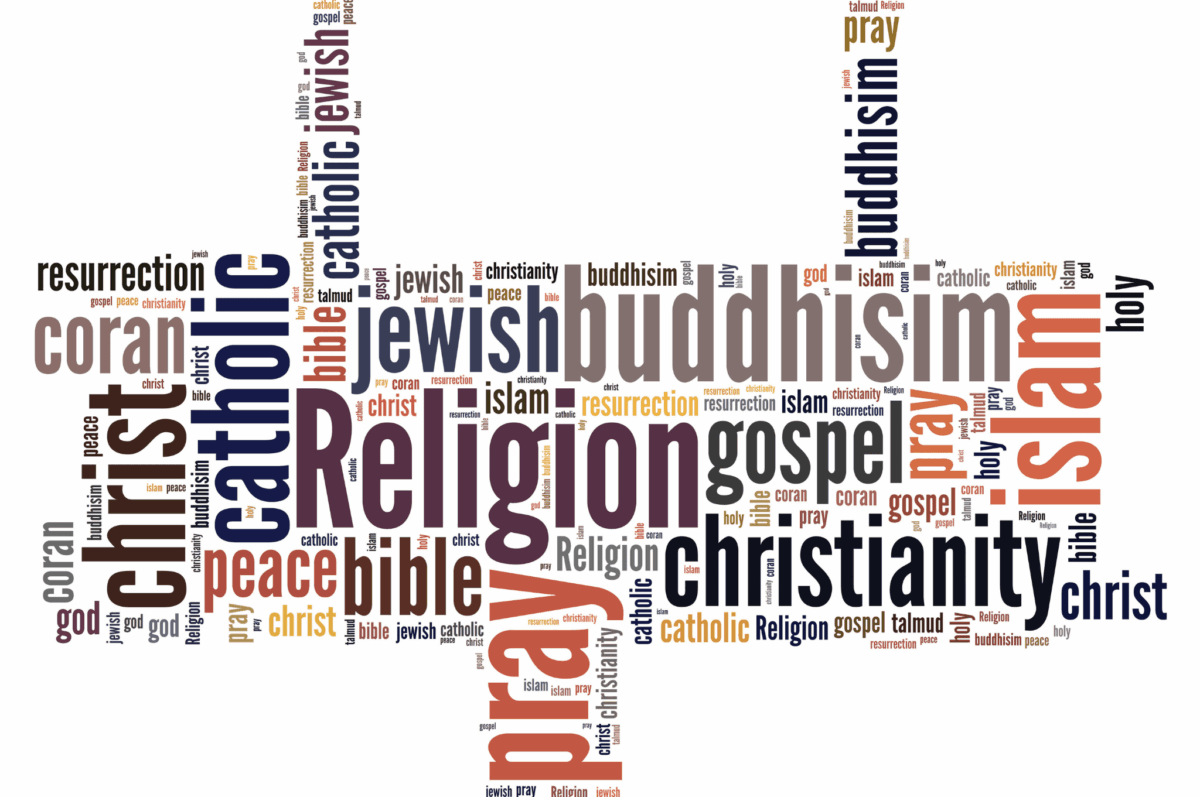
Religion has long been a driving force in global history. During the colonial era, it became one of the central tools used by imperial powers to dominate, assimilate, and control communities across Africa, Asia, the Americas, and the Pacific. While some missionary activity was peaceful, much of it supported or justified political rule, economic exploitation, and cultural erasure. The impact continues to shape societies today. 

The Role of Religion in Colonialism 

European colonial administrations understood early on that religion could support their goals. Officials and missionaries studied local languages and spiritual practices not to preserve them but to manage and reshape them. By labeling indigenous traditions as superstition or primitive belief, colonial leaders created the foundation for what they called a civilizing mission. This positioned European religions as superior and framed imperial rule as benevolent guidance rather than domination. 

This approach accomplished several things at once. It weakened existing spiritual systems, made resistance more difficult, and introduced new hierarchies that aligned with colonial interests. Local leaders who embraced the colonizers’ religion often gained favor or political power, which disrupted long-standing community structures. Through this, religious imperialism unfolded in many ways. Some efforts focused on conversion through schools, orphanages, and mission settlements, while others were carried out through force, including extreme acts like the destruction of sacred sites and laws banning traditional practices.

In many places, religious classification created longterm instability. Colonial borders and policies ignored ethnic, cultural, and spiritual distinctions, forcing diverse groups into shared political structures or separating communities that had long lived together. These choices produced divisions that continue to shape political tensions and social conflict today. 

Global Consequences of Religious Imperialism 

These structural changes rested on deep cultural disruption. Colonial religious intervention suppressed Indigenous languages, rituals, and systems of governance, replacing them with European-led institutions and expectations. Communities were reorganized around outside priorities, which weakened networks of cooperation and created new internal divisions. These shifts were not isolated to one region. This happened globally, though each place experienced them in its own way. 

Across the African continent, Christian missionary work was tightly linked to European colonial expansion. Indigenous African Traditional Religions were often dismissed as illegitimate or criminalized outright, and spiritual leaders were targeted as threats to imperial control. Yet this suppression sparked strong resistance. Movements emerged that blended Christianity with African cultural pride or revived suppressed spiritual practices. Leaders like Simon Kimbangu in the Congo and Mwanga II in Buganda challenged missionary influence because they saw it as a direct threat to cultural survival and political autonomy.  

A similar dynamic unfolded in parts of Asia, though with different political outcomes. In South Asia, converting to Christianity often created social isolation because it was tied to Western dominance. In Japan, leaders such as Toyotomi Hideyoshi viewed Christianity not only as a foreign religion but as a political foothold for outside powers. The result was a fierce backlash that expelled missionaries and banned Christian practice. These examples show how religious expansion could be viewed as both a spiritual challenge and an attempt to undermine sovereignty. 

In the Americas, religion became a central tool of conquest and assimilation. Spanish, Portuguese, British, and French colonial powers used Christianity to justify occupation and reshape Indigenous societies. Mission systems forced conversion, restricted movement, and dismantled existing community structures. Sacred sites were destroyed, and spiritual leaders were punished as threats to colonial order. 

Enslaved Africans faced another layer of religious persecution. Forced conversion attempted to sever them from their cultural and spiritual roots. Yet many preserved their heritage by blending Christian teachings with African spiritual traditions. Practices such as Voodoo in Haiti, Candomblé in Brazil, and Hoodoo in the American South grew from this blending and became powerful sources of cultural identity, resistance, and survival. 

Religious narratives were also used to justify slavery, westward expansion, and Indigenous removal. The Doctrine of Discovery declared that non-Christian lands were available for European claim. Its influence continues in modern legal frameworks, illustrating how colonial religious logic still shapes contemporary systems. 

The influence of religious imperialism did not end with independence movements or shifting political borders. Its effects continue to shape how nations define themselves, how communities understand identity, and how conflicts emerge or persist. Many countries still operate within colonial-era boundaries that disregarded existing cultural and spiritual landscapes, leaving behind divisions that fuel modern tensions.  

Education systems introduced during colonial rule replaced Indigenous knowledge with European worldviews, creating long-term gaps in cultural continuity and community autonomy. Debates about land rights, cultural revitalization, national identity, and religious freedom remain deeply connected to these historical disruptions. What began as a strategy to convert and  control has become a global pattern of inequity that communities are still working to address,  repair, and overcome.

Understanding the Past to Shape a Better Future 

Religion was one of the most powerful tools of colonial control. For a time, it justified conquest, reshaped identities, and disrupted entire cultures. It also inspired resistance, community organizing, and liberation movements. 

Understanding this history matters for modern workplaces, institutions, and communities because these legacies still influence how people see each other, where power sits, and whose beliefs are centered or dismissed. 

Understanding Racism and Its Impact

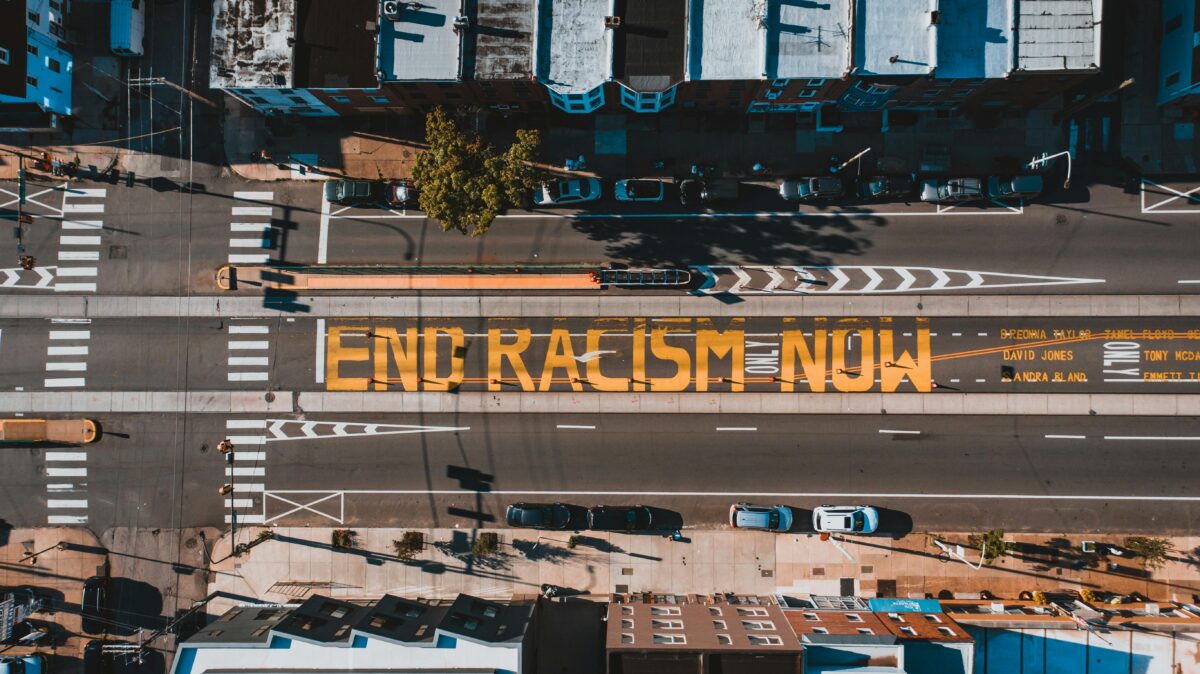
Racism is a pervasive issue that manifests in various forms across societies, affecting individuals and communities profoundly. It involves the use of race as a basis for discrimination, leading to unequal treatment and systemic, and sometimes systematic, oppression. This blog aims to explore the multifaceted nature of racism, its implications on mental health, and the ongoing efforts to combat it.

Forms of Racism

Racism can be understood through several distinct but interconnected forms, reflecting the complexities of prejudice and discrimination in society. Through our Circle of Bias model, US2 Consulting identifies the following categories:

  • Implicit Racism: This form refers to unconscious biases and attitudes that individuals may hold towards others based on their race. Implicit racism often manifests in subtle ways, influencing decisions and behaviors without the individual’s awareness. Research shows that these biases can affect interactions in various settings, including workplaces and educational institutions.
  • Explicit Racism: Unlike implicit racism, explicit racism involves overt and intentional discriminatory actions or beliefs. This includes hate speech, racial slurs, and other forms of direct hostility towards individuals or groups based on their race. Explicit racism is often easier to identify but remains a significant barrier to achieving racial equity.
  • Systemic Racism: Systemic racism refers to the entrenched policies and practices within institutions that perpetuate racial inequality. This form of racism is embedded in the fabric of society, affecting access to resources, opportunities, and justice for marginalized groups. It encompasses a wide range of issues, including disparities in healthcare, education, and criminal justice systems.
  • Systematic Bias: This term describes the patterns of discrimination that arise from established norms and practices within organizations or systems. Systematic bias can occur even in the absence of explicit racist intent, as it often results from cognitive biases and structural inequalities that disadvantage certain racial groups over time. Addressing systematic bias requires a comprehensive understanding of how institutional frameworks contribute to ongoing disparities.

By recognizing these forms of racism, we can better understand their impact on individuals and communities, paving the way for effective strategies to combat discrimination and promote equity.

The Mental Health Consequences of Racism

Racism significantly impacts mental health, contributing to trauma and stress among affected individuals. Research indicates that racialized communities often experience heightened levels of anxiety, depression, and other mental health issues due to the persistent threat of discrimination and marginalization. The Mental Health Foundation emphasizes that racism is not just a social issue but a critical public health concern that requires urgent attention.

Socioeconomic Factors and Health Inequalities

The intersection of racism with socioeconomic factors exacerbates health disparities. Individuals from racialized backgrounds often face challenges such as unemployment, poor living conditions, and limited access to healthcare services. These factors are intertwined with systemic racism, which creates barriers to achieving equitable health outcomes. For instance, policies that segregate communities can lead to concentrated poverty and reduced access to essential resources.

Global Perspectives on Racism

Racism is not confined to any single nation; it is a global phenomenon. The United Nations has recognized racism as a “persistent plague” that undermines fundamental human rights and dignity. The COVID-19 pandemic has further highlighted existing inequalities, with marginalized groups facing increased discrimination and stigmatization.

Addressing racism requires collective action at all levels of society. Organizations like the Mental Health Foundation are working towards anti-racist practices by providing resources and support for those affected by racism. Community initiatives aim to empower individuals through education and advocacy, fostering environments where everyone can thrive without fear of discrimination.

Racism remains a significant barrier to achieving social justice and equity. It is imperative for individuals, organizations, and governments to engage in meaningful dialogue and action against racism. By understanding its complexities and acknowledging its impact on mental health and wellbeing, society can move towards a more inclusive future where everyone is treated with dignity and respect.

Stay Informed and Get Involved!

At US2 Consulting, we believe in the power of informed communities to drive change. By subscribing to our newsletter, you can stay updated on our latest insights, resources, and initiatives aimed at combating racism and promoting equity. Join us in this vital conversation—together, we can make a difference!

Subscribe Now to receive our newsletter and be part of the movement towards a more inclusive future!


Understanding Classism: A Barrier to Opportunity

Classism is an often-overlooked issue that affects individuals and communities across the globe. Defined as discrimination based on socio-economic status, it manifests in various forms, influencing everything from access to education and healthcare to employment opportunities and social mobility. At US2 Consulting, we believe that understanding classism is crucial for fostering inclusive workplaces where everyone feels valued and empowered.

The Manifestation of Classism

Classism can appear in both overt and subtle ways. For instance, in hiring practices, employers may unconsciously favor candidates who exhibit traits associated with higher socio-economic status—such as specific educational backgrounds or professional networks—while overlooking equally qualified individuals from lower-income backgrounds. This bias not only limits opportunities for talented individuals but also deprives organizations of diverse perspectives that can drive innovation.

Moreover, classism often intersects with other forms of discrimination, compounding the challenges faced by marginalized groups. For example, individuals from lower socio-economic backgrounds may also belong to racial or ethnic minorities, making them more vulnerable to systemic inequalities. Understanding these intersections is vital for organizations seeking to create a truly inclusive environment.

The Impact on Workplace Culture

The implications of classism extend beyond hiring practices; they penetrate workplace culture as well. Employees from lower socio-economic backgrounds may feel out of place or undervalued in environments that prioritize certain social norms or behaviors associated with higher classes. This can lead to feelings of isolation and disengagement, ultimately affecting morale and productivity.

To combat these issues, organizations must actively work to create a culture that welcomes diversity in all its forms. This includes promoting open dialogue about socio-economic backgrounds and encouraging employees to share their experiences. By fostering an environment where everyone feels seen and heard, organizations can help dismantle the barriers created by classism.

Strategies for Change

Addressing classism requires a multi-faceted approach. Here are some actionable strategies organizations can implement:

1. Review Hiring Practices: Evaluate recruitment processes to ensure they are free from bias. Consider using blind recruitment techniques or structured interviews that focus on skills and experiences rather than educational pedigree.

2. Promote Inclusive Leadership: Train leaders to recognize their own biases and understand the impact of classism on their teams. Encourage them to cultivate an environment where all employees feel comfortable sharing their perspectives.

3. Create Mentorship Programs: Establish mentorship initiatives that connect employees from diverse socio-economic backgrounds with leaders within the organization. This can help bridge gaps in networking opportunities and provide guidance for career advancement.

4. Encourage Open Dialogue: Foster a culture of transparency where discussions about socio-economic status are normalized. This can help reduce stigma and promote understanding among team members.

5. Invest in Community Engagement: Support initiatives that aim to uplift underrepresented communities, whether through partnerships with local organizations or by providing resources for skill development.

Understanding classism is essential for creating workplaces that embrace all individuals, regardless of their socio-economic background. By acknowledging the barriers that exist and actively working to dismantle them, organizations can foster an environment where everyone feels valued and empowered to contribute their unique perspectives.

At US2 Consulting, we are committed to helping organizations navigate these challenges and create inclusive cultures that drive success. Together, we can break down the barriers of classism and build a brighter future for all employees.

Understanding and Navigating Religious Imperialism: Building Inclusive Environments

Religious imperialism is a concept that is often overlooked, yet its impact on individuals and communities can be profound. It refers to the imposition of one religious worldview or belief system over others, often marginalizing or invalidating different religious practices and identities. This can occur in both subtle and overt ways, and it tends to prioritize one dominant religious tradition while leaving others out of the conversation.

In a diverse world, religious imperialism creates an environment where some beliefs are valued more than others, and people who hold different spiritual views may feel unseen, unheard, or unwelcome. As we examine the issue of religious imperialism, it’s important to consider its effects and explore ways to foster environments where everyone feels seen, heard, welcomed, and valued.

What Is Religious Imperialism?

At its core, religious imperialism is the practice of promoting one religion as superior or as the default belief system, while disregarding or diminishing the importance of others. It can manifest in a variety of ways, from public celebrations that exclusively highlight one faith to workplaces, schools, and media that assume everyone shares the same religious background.

Examples of religious imperialism include:

  • Cultural Assumptions: When public spaces, such as schools or businesses, assume that everyone celebrates the same religious holidays, such as Christmas, while overlooking other faith-based observances like Hanukkah, Ramadan, or Diwali.
  • Workplace Norms: Companies may hold meetings or celebrations during times that conflict with important religious observances, or they might decorate for a particular holiday without considering the diversity of employees’ faiths.
  • Public Policy: Legal systems or public institutions may endorse religious practices that are exclusive to a particular faith, leaving little room for the accommodation of others.
  • Media Representation: Television shows, films, and news outlets often focus on one religious perspective, failing to accurately represent the full range of beliefs within society.

While these practices may seem harmless or even unintentional, they contribute to an environment where people from different religious traditions feel marginalized, misrepresented, or excluded.

The Impact of Religious Imperialism

The impact of religious imperialism is far-reaching, affecting individuals on a personal level and communities on a broader scale. When one religious tradition is prioritized, those who follow other belief systems can feel like outsiders in the very spaces meant to bring people together. This marginalization can lead to feelings of isolation, alienation, and even resentment.

  1. Psychological and Emotional Consequences: For individuals who belong to minority religious groups, living in an environment that prioritizes one religion can lead to stress, anxiety, and a diminished sense of self-worth. The failure to recognize their religious identity can make them feel invisible, disregarded, or less important than others.
  2. Loss of Opportunity for Education and Growth: Religious imperialism prevents the opportunity for individuals to learn from one another and engage in meaningful dialogues about faith and belief. It limits exposure to diverse perspectives, creating a stagnant, narrow worldview.
  3. Reinforcement of Division: By focusing exclusively on one religion, religious imperialism can create divisions within society, reinforcing stereotypes and misunderstandings. It fosters a “us vs. them” mentality, where people are separated based on religious differences rather than united by shared values.
  4. Undermining Community Cohesion: A community that fails to recognize the diversity of religious beliefs is less likely to develop a strong sense of unity. Instead of celebrating differences and learning from one another, such a community may inadvertently create an environment where certain groups feel excluded or inferior.

Navigating Religious Imperialism: Creating Inclusive Spaces

The challenge of addressing religious imperialism requires intentional efforts to create environments where all religious beliefs are respected and valued. Here are several strategies for fostering inclusion and belonging in environments affected by religious imperialism:

  1. Acknowledge the Diversity of Beliefs: The first step in navigating religious imperialism is recognizing the diversity of religious perspectives within your community, workplace, or school. Take the time to learn about the various religious practices, holidays, and customs represented by the individuals around you. This acknowledgment helps shift the narrative from a singular, dominant religious perspective to a more inclusive, pluralistic one.
  2. Create Inclusive Policies and Practices: Whether you’re organizing a company event, hosting a public gathering, or developing policies for religious accommodations, it’s important to ensure that all religious practices are considered. Offering flexible time off for various religious holidays, creating inclusive holiday celebrations, or providing spaces for religious observance can make a significant difference in how people of different faiths experience belonging in your environment.
  3. Educate and Raise Awareness: One of the most powerful tools for combatting religious imperialism is education. Providing training, resources, and workshops on the importance of religious diversity can help individuals better understand how to respect and value people from different religious traditions. Creating spaces where individuals can openly share their religious beliefs and experiences also promotes empathy and understanding.
  4. Encourage Interfaith Dialogue: Building bridges between different religious groups is essential for breaking down the barriers created by religious imperialism. Encouraging interfaith dialogue and collaboration fosters a deeper understanding of other cultures and beliefs. This exchange can help challenge stereotypes and open hearts and minds to new ways of thinking.
  5. Focus on Common Values: While religious beliefs may differ, many faiths share core values such as compassion, kindness, and justice. By focusing on these universal values, communities and organizations can build stronger connections based on shared human experiences rather than perceived differences. This approach helps promote unity and understanding in environments marked by religious diversity.
  6. Be Mindful of Language and Representation: Language plays a critical role in how people feel seen, heard, welcomed, and valued. Using inclusive language, such as offering holiday greetings that are neutral and welcoming, can ensure that no one feels excluded. Additionally, representation matters—ensuring that religious minorities are fairly represented in media, advertising, and public discourse helps combat the effects of religious imperialism.

Religious imperialism, whether subtle or overt, has a profound impact on how people of different faiths experience belonging in society. By recognizing and confronting religious imperialism, we can create environments where individuals are seen, heard, and valued for who they are, regardless of their religious beliefs. By fostering inclusion, understanding, and respect, we can build communities that celebrate the richness of religious diversity and ensure that all individuals feel empowered to express their faith without fear of marginalization.

Addressing Sizeism: Fostering Respect and Fairness for All Body Types

Sizeism—discrimination based on someone’s body size—is a subtle but powerful force that shapes experiences and opportunities for many individuals. While we often talk about biases related to race, gender, and disability, the harmful effects of sizeism can be just as damaging, yet frequently go unnoticed. At US² Consulting, we believe that every person, regardless of their body size, deserves to be treated with fairness and respect in all settings.

Sizeism can show up in many forms. For example, people with larger bodies may be unfairly labeled as lazy or less capable, while individuals who are very thin or short might be dismissed as underqualified or not authoritative. This type of bias can affect hiring decisions, leadership opportunities, and even day-to-day interactions, creating an environment where people are valued less for their skills and abilities and more for their physical appearance.

The consequences of sizeism extend beyond personal bias; they influence how people are treated and the opportunities they are given. Individuals on either end of the size spectrum—whether they are very tall, short, heavy, or thin—may feel marginalized, overlooked, or underestimated based on their body size. This not only damages their sense of self-worth but can also undermine morale, confidence, and performance in the workplace.

To create a truly welcoming and supportive environment, organizations must confront sizeism in all its forms. This means challenging harmful stereotypes, reevaluating policies that may unintentionally perpetuate size-based bias, and fostering a culture where people are appreciated for their contributions and talents, not their appearance. By addressing sizeism, we can build a workplace where everyone, regardless of their body type, feels valued, respected, and empowered to succeed.

At US² Consulting, we are committed to helping organizations recognize and address sizeism, creating spaces where everyone is seen, heard, welcomed, and valued. Ending size-based bias is a crucial step toward ensuring that every individual has an equal opportunity to thrive, regardless of where they fall on the height and weight spectrum.


Ageism as A Crucial Component of Diversity, Equity, and Inclusion

In today’s rapidly evolving world, justice, equity, diversity, and inclusion (JEDI) have become central pillars in fostering thriving workplaces and communities. While discussions around JEDI often focus on race, gender, and sexual orientation, one critical aspect often overlooked is ageism. Ageism, discrimination based on perceived and/or actual age, affects individuals across generations and can have profound effects on both personal well-being and organizational success. 

Within a commitment to creating inclusive environments, it’s important to recognize and address ageism in all its forms. In this blog post, we will explore what ageism entails, its impact on individuals and organizations, and strategies to overcome it effectively. 

Understanding Ageism 

Ageism manifests in various ways, from stereotyping and personal prejudice to blatant discrimination against individuals based on their age. While it often targets older adults, ageism can also affect younger generations. Stereotypes such as older workers being technologically incompetent or younger employees lacking experience are prevalent in many workplaces. These stereotypes can result in policies that are blatantly discriminatory, if not understood and mitigated promptly. 

Impact on Individuals 

Ageism can have significant implications for individuals’ mental health, job opportunities, and overall well-being. Older workers may face barriers to advancement or even forced early retirement due to perceived stereotypes about their productivity or ability to adapt to change. Conversely, younger employees may encounter challenges in being taken seriously or given meaningful responsibilities due to assumptions about their maturity or experience. 

Organizational Consequences 

Beyond its effects on individuals, ageism can undermine organizational effectiveness and innovation. When employees of all ages don’t feel valued or included, it stifles creativity and collaboration. Moreover, age-diverse teams are often more resilient and adaptable, bringing a range of perspectives and experiences to problem-solving and decision-making processes. 

A business team of five people of different race, gender, and age. Portrays ageism in the workplace.
A business team of five people of different race, gender, and age. Photo by Peopleimages.com – YuriArcurs

Strategies to Overcome Ageism 

  1. Education and Awareness: Promote education and awareness initiatives to challenge stereotypes and biases associated with age. Train employees and leaders to recognize and address ageist attitudes and behaviors in the workplace. 
  1. Inclusive Policies and Practices: Implement policies and practices that promote age diversity and inclusion, such as age-neutral hiring and promotion criteria, flexible work arrangements, and mentorship programs that facilitate intergenerational learning and collaboration. 
  1. Foster Intergenerational Collaboration: Encourage intergenerational collaboration and mentorship opportunities to leverage the unique strengths and perspectives of employees across different age groups. Create spaces for open dialogue and mutual respect, where individuals can learn from each other across generations. 
  1. Promote Lifelong Learning: Emphasize the importance of lifelong learning and skill development for employees of all ages. Provide opportunities for continuous training and professional development to ensure that employees remain competitive and adaptable in today’s rapidly changing work environment. 

Addressing ageism is not only a matter of fairness and equity but also essential for building inclusive workplaces where all individuals can thrive. By recognizing and challenging ageist attitudes and behaviors, organizations can harness the full potential of their multigenerational workforce and foster environments where diversity is celebrated and valued.  

Here at US2, we take it as our responsibility to lead the movement in overcoming ageism and promoting inclusivity at every level of the organization. Together, we can create spaces where age is seen as an asset rather than a liability, and individuals of all ages are empowered to contribute their unique talents and perspectives to achieve shared goals. Let’s work together to break down barriers, foster understanding, and build a more inclusive future for all. 

If you’d like to learn more about Ageism and other important topics around social justice, equity, diversity, and inclusion, we invite you to listen to our podcast Transforming Social Justice here. 

Exploring Sexism through the Lens of Social Justice, Equity, Diversity, and Inclusion

Sexism, a deeply ingrained and pervasive issue, continues to cast its shadow over societies worldwide. From the workplace to educational institutions and beyond, the impact of sexism is felt by individuals of all genders. This blog aims to discuss the multifaceted dimensions of sexism, examining its manifestations in America and globally through the lens of social justice, equity, diversity, and inclusion (JEDI). By exploring real-life examples, backed by statistics and specifics, we strive to bring awareness to the ongoing challenges and encourage dialogue for meaningful change.  

Defining JEDI and Its Relevance 

Social justice, equity, diversity, and inclusion (JEDI) are key pillars in addressing societal disparities. JEDI emphasizes the importance of recognizing and valuing the differences among individuals while ensuring fair treatment and opportunities for all. Sexism, a critical aspect of inequity, plays a significant role in hindering progress towards a more inclusive and just society. 

 Workplace Inequities 

In the corporate world, women often face a multitude of challenges, from the gender pay gap to limited representation in leadership roles. According to a report by the World Economic Forum in 2023, it will take an estimated 131 years to close the economic gender gap globally if progress continues at the current rate. Real-life examples, such as the unequal pay controversy at the U.S. Women’s National Soccer Team, highlight the stark disparities that persist despite advancements. 

Educational Challenges 

Sexism extends its reach into educational institutions, affecting the experiences of students and educators alike. Research shows that women in STEM (Science, Technology, Engineering, and Mathematics) fields face discriminatory practices, limiting their opportunities for growth. This perpetuates the gender disparity in these industries, hindering innovation and progress. 

Global Perspectives 

Sexism is not confined to a specific region; it is a global issue that manifests in various forms. In some countries, deeply rooted cultural norms perpetuate discriminatory practices against women, limiting their access to education, healthcare, and employment. 

Intersectionality 

An inclusive examination of sexism requires consideration of intersectionality, acknowledging the compounding effects of discrimination based on factors such as race, sexual orientation, and socioeconomic status. For example, women of color may face unique challenges that differ from those experienced by their white counterparts. 

 Addressing Sexism: The Role of JEDI Initiatives 

Organizations and institutions play a crucial role in addressing and dismantling sexist practices. Implementing robust JEDI initiatives is essential for fostering an environment where everyone, regardless of gender, is valued and empowered. These initiatives need to include targeted training programs, mentorship opportunities, and policies that promote equitable opportunities and fair treatment. 

 Sexism remains a deeply entrenched issue with far-reaching consequences, affecting individuals on a personal and societal level. By examining real-life examples, backed by statistics and specifics, this blog seeks to shed light on the urgency of addressing sexism through the lens of social justice, equity, diversity, and inclusion. The path to a more equitable society requires collective efforts, commitment, and an unwavering dedication to dismantling the barriers that perpetuate sexism globally. 

If you’d like to discuss sexism in your environment or organization, we invite you to book a call with us to explore potential strategies for fostering a more inclusive and equitable space. 

December – Religious Imperialism

Religious Imperialism is discrimination, prejudice, or stereotyping on the basis of perceived, or actual, religion and/or religious beliefs. It is the mistreatment of an individual or a group of individuals as a response to their religious beliefs and/or affiliations (or their lack thereof) and it shows the tendency of societies or groups within societies to alienate or repress different subcultures as a recurrent theme in human history.  

Stand up against religious discrimination – even if it’s not your religion | Eboo Patel | Big Think 

Eboo Patel author, founder, and president of Interfaith Youth Core (IFYC), in his video with Big Think, shares his experience of being in an interfaith friend group in high school.  His Jewish friend called him out for being a bystander as he was called anti-Semitic slurs and did nothing, while his Muslim father told him how his faith encourages him to stand up for people who are hurting. Eboo using the most painful moment of his life as a lesson for all of us explains why it’s crucial to be positive and proactive about engaging religious identity towards interfaith cooperation. 

“Our educational institutions, our health care facilities, our athletic leagues, and our businesses are religiously diverse and part of what every educated American needs is the ability to positively engage that religious diversity.” 

-Eboo Patel 

Let us ask you this: 

  1. What are your typical initial/first thoughts when you meet someone who has a different religion/religious belief from you?  Do these first thoughts align with what you believe to be true about all people from different religions and/or belief systems? 
  2. What is your current experience with Religious Imperialism?  Have you, or someone you know, ever had a lived experience with Religious Imperialism? If yes, what impact did it have on you? 

Today we would like to remind you that it is not necessary for people to believe in the same religion or in any at all to treat someone with kindness and respect. It is important that we acknowledge how we are all different and we encourage you to open your mind to understand not only your own beliefs, but that of others as well.    

This is a reminder that every moment is an opportunity to continue learning and reflecting and that there is always room for growth in ourselves and in our communities. 

Skip to content